Education as Climate Action (SDG 13.3)
In 2015, all 193 Member States of the United Nations adopted a shared framework for global development known as the Sustainable Development Goals (SDGs).
This was a historic moment. For the first time, countries around the world agreed on a common roadmap to address some of humanity’s greatest challenges, including poverty, inequality, health, education, peace, and environmental sustainability. The SDGs built on the progress of the Millennium Development Goals (MDGs) and set ambitious targets to be achieved by 2030.
What Are the Sustainable Development Goals?
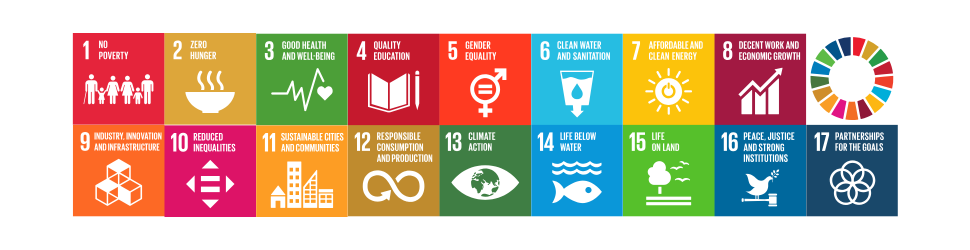
The Sustainable Development Goals are 17 interconnected goals designed to create a more equitable, prosperous, and sustainable world.
A key feature of the SDGs is the recognition that environmental sustainability is essential for human development. Goals such as Clean Water and Sanitation (SDG 6), Responsible Consumption and Production (SDG 12), Climate Action (SDG 13), Life Below Water (SDG 14), and Life on Land (SDG 15) highlight the importance of protecting natural systems to ensure present and future generations can thrive.
The Role of Education in Sustainable Development
To support the achievement of the SDGs, UNESCO promotes a framework known as Education for Sustainable Development (ESD).
According to UNESCO:
Education for Sustainable Development empowers people with the knowledge, skills, values, attitudes, and behaviours needed to live in ways that are beneficial for the environment, economy, and society.
In simple terms, ESD helps learners make informed and responsible decisions that contribute to a more sustainable future.
Environmental education is a key component of Education for Sustainable Development because it helps learners understand environmental challenges and equips them with the skills needed to address them.
Climate Change: One of the Defining Challenges of Our Time
Among the many environmental challenges facing the world today, climate change remains one of the most urgent.
Rising global temperatures, extreme weather events, flooding, droughts, heat waves, biodiversity loss, and threats to food and water security are already affecting communities around the world.
In response, countries have committed through international agreements such as the Paris Agreement to reduce greenhouse gas emissions and pursue efforts to limit global warming to 1.5°C above pre-industrial levels.
Achieving this goal requires more than technology and policy changes. It also requires people who understand the issue, can make informed decisions, and are equipped to take action.
This is where education becomes essential.
SDG 13: Climate Action
The Sustainable Development Goals recognize the importance of education in addressing climate change.
SDG 13 – Climate Action focuses on taking urgent action to combat climate change and its impacts.
Among its targets is Target 13.3, which specifically highlights the role of education.
Target 13.3: Build Knowledge and Capacity to Meet Climate Change
Improve education, awareness-raising and human and institutional capacity on climate change mitigation, adaptation, impact reduction and early warning.
This target acknowledges that climate action is not only about reducing emissions or developing new technologies. It is also about ensuring that people have the knowledge, skills, and capacity to understand climate risks and respond effectively.
Why Education Is Climate Action
Around the world, experts increasingly recognize education as one of the most powerful long-term investments in climate action.
Education helps people:
- Understand the causes and impacts of climate change.
- Adopt more sustainable behaviours and lifestyles.
- Prepare for and respond to climate-related disasters.
- Develop innovative solutions to environmental challenges.
- Build resilience within their communities.
Without education, many people remain vulnerable to climate risks because they lack access to information, preparedness strategies, and opportunities to participate in solutions.
Young people are particularly affected. They will inherit the consequences of today’s environmental decisions, yet many have not been adequately equipped with the knowledge and skills needed to navigate these challenges.
Environmental education helps close this gap. It builds awareness, develops critical thinking, strengthens problem-solving skills, and empowers learners to become active participants in creating a more sustainable future.
In this way, every environmental education lesson can be viewed as an act of climate action, helping learners not only understand the world around them but also develop the agency and confidence to improve it.